Enhanced curriculum in three languages
At the Centre, education at all levels is offered in three streams: Azerbaijani, Russian, and English.
In all three streams, a distinctive curriculum enriched with additional learning outcomes, teaching strategies, and resources is implemented to purposefully support the development of 21st-century skills.
Education in Azerbaijani and Russian is based on the National Curriculum approved by the Ministry of Education of the Republic of Azerbaijan, while education in English is based on the Cambridge Curriculum under the status of a Cambridge International School.
Small-class concept
In primary classes, the average number of students is 12-14. The maximum class size is limited to 18 students. This number not only improves lesson quality, but also creates favourable opportunities for an individual approach to children.
A modern approach to foreign language teaching
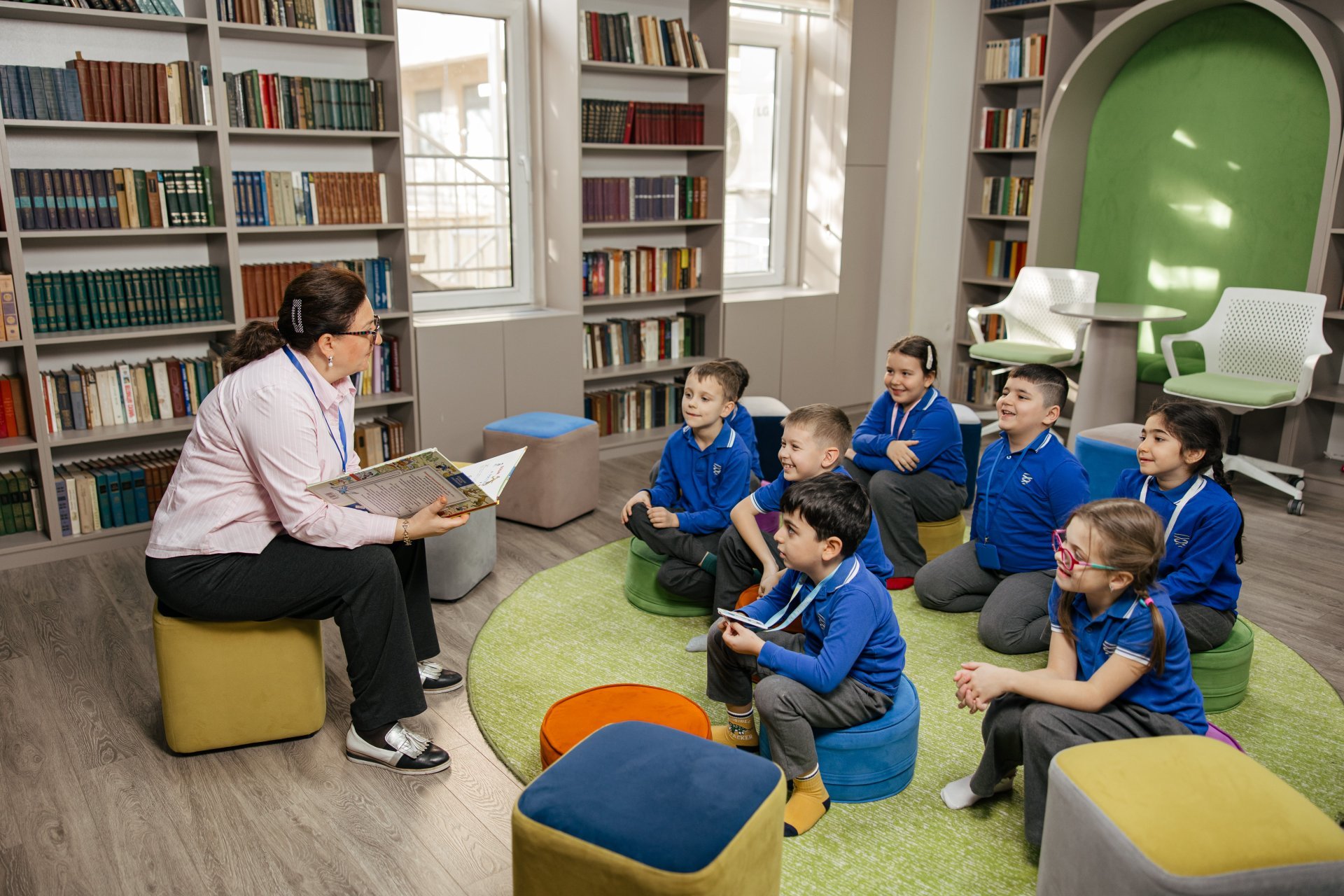
Our Centre places special importance on foreign language learning. In the Azerbaijani and Russian streams, students have five English lessons per week. In the English stream, Azerbaijani and Russian are taught through a special approach and more progressive methods. Cambridge Assessment exams are organised for students to measure the effectiveness of English language learning.
Digital skills and coding
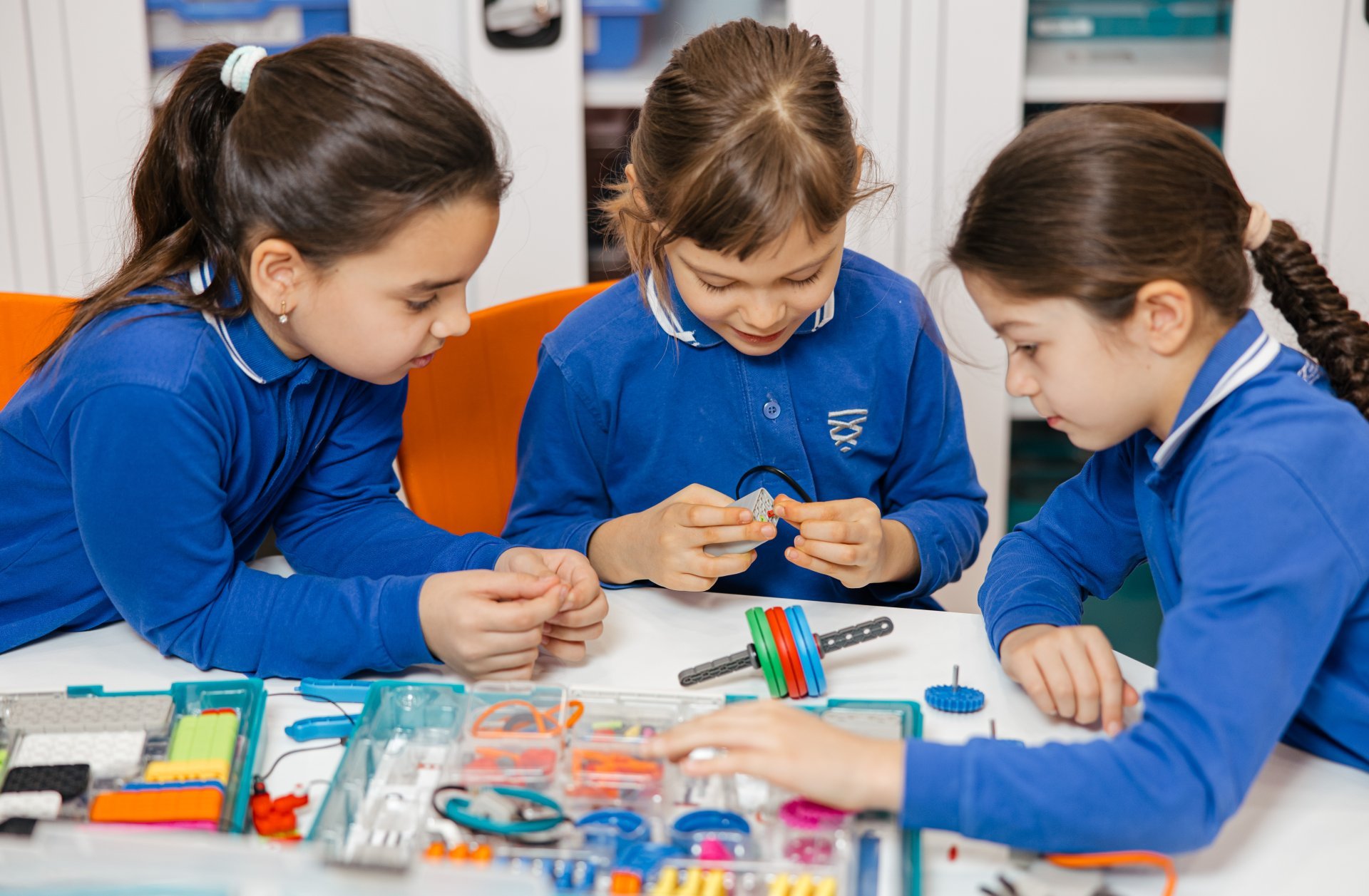
In line with our mission to equip students with the knowledge and skills required by the future global competitive environment, we are introducing digital skills and coding lessons in primary classes.
Personalised education according to individual abilities
Children differ from one another in their physical, emotional, social, and intellectual potential. In line with our educational philosophy, we offer students opportunities from the primary level to discover their skills and abilities.
Therefore, we take an individual approach to each student’s education and personal development and help them realise their potential.
For this purpose, the individual interests and learning characteristics of all students admitted to the Centre are identified, an Individual Student Profile™ is prepared, and this profile is regularly updated and discussed with parents throughout each academic year.
Tracking individual achievement and providing additional support according to needs
At the beginning of the school year, students’ Individual Achievement Goals™ are identified based on diagnostic assessments conducted in all core subjects.
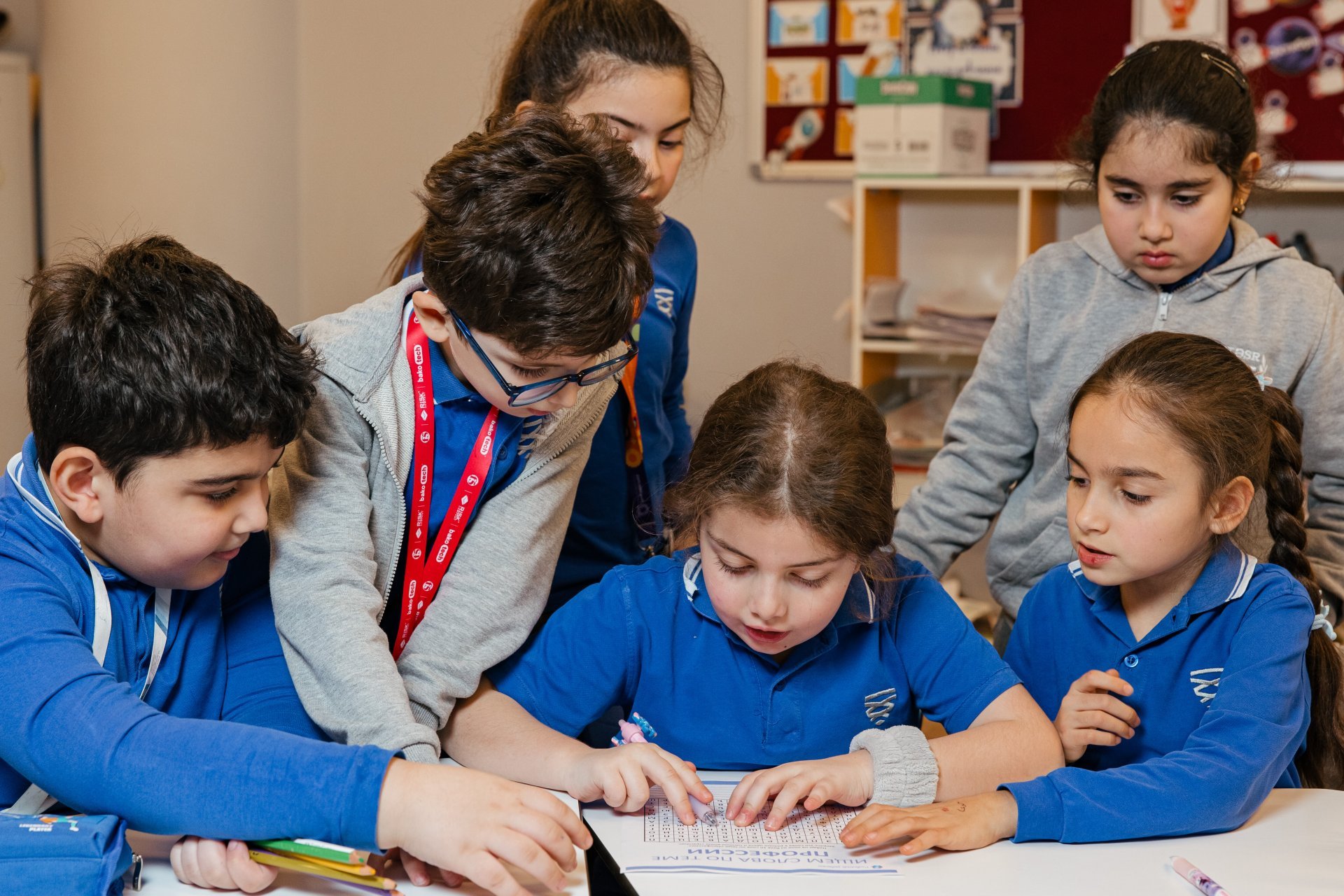
Throughout the year, students’ progress is monitored against their Individual Achievement Goals™. When necessary, individual discussions are held with parents regarding additional learning needs, and an Additional Support Programme is prepared. The Additional Support Programme is implemented with students individually or in groups during or after lessons. This programme includes support in fluent reading, working with numbers, story reading, foreign languages, and other areas.
Education and assessment based on a growth mindset
Research conducted by Professor Carol Dweck of Stanford University in the United States shows that children’s talent is not always genetic. Their intelligence and abilities can be developed in a supportive environment through continuous effort and hard work and can even surpass those of children with innate talent.
For this reason, in our learning environment that encourages self-confidence and diligence, we support students in reaching the highest possible level of mastery by using an assessment and feedback system that highlights not only their results, but also their efforts in the learning process and their next steps for development.
Holistic Development Activities™
The Centre’s educational model also includes a Holistic Development Programme that creates opportunities for students to discover their talents, broaden their interests, and develop skills in different areas.
All students studying at the Centre may participate in Holistic Development Activities offered in different areas according to their age groups.
Holistic Development Activities are implemented not only as independent extracurricular activities, but also through additional programmes included in the curriculum as a result of enriching the core curricula, such as digital skills, life skills, business knowledge, and other areas.